Local gardeners serving Dalston Junction station neighbourhood
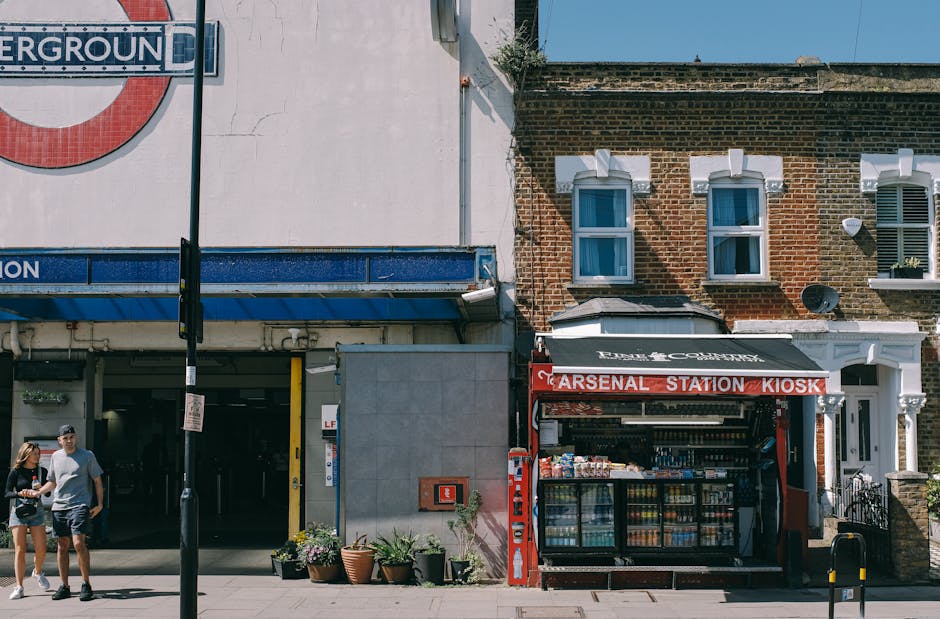
Gardens around Dalston Junction are rarely blank canvases. They're compact, overlooked from nearby flats, exposed to urban dust, and often asked to do a lot: look good, feel private, stay practical, and not become a weekend chore. That is exactly why local gardeners serving Dalston Junction station neighbourhood are such a good fit. They understand the rhythm of the area, the small-space challenges, and the kind of maintenance that keeps a garden healthy without turning it into a second job.
If you're weighing up whether to bring in a local pro, this guide will walk you through the real-world benefits, how the service usually works, what to ask for, and how to avoid common mistakes. We'll also point you to useful related resources, from ongoing garden maintenance to full landscaping support, so you can make a decision that actually suits your space.
And yes, there's a lot to consider. But once you break it down, it becomes manageable pretty quickly.
- Why this local service matters
- How the service works in practice
- Key benefits and practical advantages
- Who it's for and when it makes sense
- Step-by-step guidance
- Expert tips for better results
- Common mistakes to avoid
- Tools, resources and recommendations
- Law, compliance, standards and best practice
- Options, methods and comparison table
- Case study or real-world example
- Practical checklist
- Conclusion
- Frequently asked questions
Why Local gardeners serving Dalston Junction station neighbourhood Matters
Local gardening is about more than convenience. Around Dalston Junction station, the mix of terraces, courtyard gardens, shared access spaces, and rooftop or balcony planting creates a very specific kind of maintenance need. A gardener who works locally can spot these patterns straight away: where wind funnels through, which spots dry out too quickly, and how shade shifts through the day. That kind of judgement is hard to fake.
To be fair, plenty of general gardening services can mow a lawn or trim a hedge. The difference with a local gardener is awareness. They know which plants cope better with a bright but sheltered yard, which surfaces collect grime after a wet week, and how to keep a narrow front garden looking cared-for rather than cramped. Small details, big effect.
There's also a scheduling advantage. When a gardener is already working in the area, response times are often easier to manage, and repeat visits become more realistic. That matters if you want regular upkeep rather than a one-off rescue job.
For many households, the real value is not dramatic transformation. It's consistency. A space that stays tidy, grows well, and doesn't suddenly become unmanageable after two busy weekends and a bit of rain.
How Local gardeners serving Dalston Junction station neighbourhood Works
In practice, the process is usually straightforward. You describe the garden, the issues, and the outcome you want. A local gardener then assesses the site, discusses priorities, and suggests the most sensible work order. That might be maintenance, planting, hedge work, turf care, or a larger tidy-up. If the garden is tired or patchy, they may recommend a phased approach rather than trying to do everything at once.
A decent local service normally starts with a clear view of access. Is there side passage access? Are there stairs, a shared courtyard, or parking limitations? Can waste be moved easily? Those details sound minor until you're carrying cuttings through a narrow hallway. Then they suddenly matter a lot.
From there, the job may be planned as either one-off work or an ongoing schedule. The former suits seasonal clear-outs and repairs. The latter suits households that want steady care: lawn cuts, pruning, weeding, edging, feeding, and planting support through the year. If you want a broader service mix, it can help to review the range of gardening services and see whether your needs are simple upkeep or something more involved.
Many local clients also need a few specialist tasks folded into a routine visit. That might include lawn mowing, lawn care, hedge trimming, or patio cleaning. When those jobs are coordinated properly, the garden looks more finished, not just neater.
Key Benefits and Practical Advantages
The most obvious benefit is time saved, but that's only the beginning. A good local gardener helps you make better decisions, especially in a built-up area where light, space, and privacy are all limited. That can mean choosing the right planting structure, spacing things correctly, or cutting back plants before they become unruly.
Here's what local clients usually value most:
- Better plant choices for real conditions. Not every plant will enjoy the same shade, wind, or drainage pattern.
- Cleaner, calmer outdoor space. A tidy garden changes how a home feels the moment you step outside.
- Less wasted effort. You avoid buying the wrong materials or planting in the wrong place.
- More privacy and structure. Especially useful where neighbouring windows are close by.
- Year-round resilience. Gardens here need practical winter prep and sensible seasonal planning.
One underrated benefit is confidence. Once the work has been done properly, you stop second-guessing yourself every time a shrub gets leggy or a border looks messy. You know what's happening and why. That kind of reassurance is worth something, honestly.
If privacy is part of the brief, local gardeners can often suggest hedging, climbers, or layered planting instead of relying on hard boundaries alone. For ideas, see the guide to fast-growing hedge types for quicker screening and the article on evergreen climbers for shaded spots.
And if you're working with a tiny outdoor footprint, vertical and container-led solutions can be genuinely useful. The right structure can turn a small patch into something surprisingly polished. There's a lot to be said for making a small space feel intentional.
| Need | Best local response | Why it helps |
|---|---|---|
| Low privacy | Layered planting, hedges, climbers | Softens overlooking without making the space feel boxed in |
| Small courtyard or balcony | Containers, vertical planting, compact maintenance | Uses height and structure instead of floor space |
| Overgrown garden | Tidy-up, pruning, waste removal, reset plan | Restores access and sets up future maintenance |
| Seasonal damage | Winter prep, plant protection, selective replacement | Reduces losses and supports recovery in spring |
| Patchy lawn | Feeding, mowing rhythm, scarifying or overseeding where needed | Builds healthier turf over time, not just a short-term tidy-up |
Who This Is For and When It Makes Sense
This service makes sense for a surprisingly wide range of people. Homeowners often want regular upkeep or a complete refresh. Landlords may need a property presentable between tenancies. Busy professionals usually want a garden that looks good without constant attention. Families may need something safer, tidier, and easier to enjoy. Dog owners, too, tend to want a layout that can handle paws, wear, and muddy corners.
It also makes sense if you've inherited a garden that's been neglected for a while. That's more common than people admit. Life gets busy, the rain does its thing, a few weeds appear, and suddenly the place has a personality of its own. Not always a flattering one.
For first-time gardeners, a local pro can help avoid expensive early mistakes. That could mean using the wrong mulch, pruning too hard, or planting something beautiful in a spot it will never enjoy. If you're new to gardening, the practical guidance in these beginner gardening guidelines can make the first steps feel less daunting.
It also suits people who want the garden to do more than just look neat. Maybe you want seating for morning coffee, an outdoor play area, a small herb patch, or a quiet corner that feels a bit zen. In that case, planning matters just as much as planting.
Step-by-Step Guidance
If you're starting from scratch, here's a sensible way to approach it.
- Walk the garden with fresh eyes. Notice shade, drainage, privacy, access, and anything that feels awkward.
- Define the main goal. Is it maintenance, a one-off renovation, better privacy, a lawn reset, or a full redesign?
- List the pain points. Think weeds, tired borders, a patchy patio, poor soil, overgrown hedges, or muddy corners.
- Choose priority tasks first. Safety and access usually come before planting and decoration.
- Decide whether you need ongoing care. Some spaces are fine with seasonal visits; others need regular attention.
- Agree on a practical sequence. Clearing, pruning, soil work, planting, finishing. That order usually works well.
- Review the result after a few weeks. Gardens settle, and small tweaks often improve the outcome.
A lot of people skip the planning stage and go straight to the nice-looking parts. Totally understandable. But if the soil is poor or the light is wrong, a pretty plant can still struggle. Better to fix the base first.
If you're unsure what the first phase should include, a renovation-focused resource like how to start your garden renovation can help you think in the right order.
One practical tip: if the garden is busy or heavily used, keep the early design simple. You can always layer in more character later. It's easier to build from a calm, functional base than to rescue an overcomplicated setup.
Expert Tips for Better Results
Here are the kinds of details that separate a decent job from a genuinely good one.
- Match the plant to the microclimate. A front garden by a busy road is not the same as a sheltered back courtyard.
- Use structure before decoration. Hedges, edging, paths, and containers give the space a backbone.
- Don't fight the shade. If a corner stays cool, use plants suited to that rather than chasing sun-loving varieties.
- Feed the soil, not just the plants. Soil health changes everything, especially in older urban gardens.
- Plan for winter early. Waiting until the first cold snap is a bit late, truth be told.
For soil improvement, compost and organic matter are often the simplest long-term win. If you want a deeper dive, this guide to soil enrichment through waste is a useful companion read.
For urban gardens where floor space is limited, look up instead of only across. Vertical planting, wall-mounted planters, and tiered containers can create a much richer result without crowding the path. There's a neat article on vertical gardening as an eco-friendly urban solution, and it suits this kind of neighbourhood well.
And please, don't underestimate pruning timing. Cut too early, and you may lose flowers; cut too late, and the plant may look like it had a rough night. Somewhere between the two is the sweet spot.
Common Mistakes to Avoid
Most garden problems are not dramatic. They're small, repeated decisions that add up.
- Choosing plants for looks alone. Pretty is fine. Pretty and suited to the site is better.
- Ignoring access constraints. Tight side passages, shared entrances, and limited storage all affect the job.
- Letting the lawn set the tone. A lawn can be useful, but it should not dominate a garden that needs low-maintenance balance.
- Overcrowding borders. Too many plants create weak growth and more maintenance later.
- Forgetting seasonal clean-up. Fallen leaves, dead stems, and slippery patios become annoying fast.
- Skipping a maintenance plan. A lovely garden without upkeep is usually lovely for a short while.
We also see people forget that ivy can become a long-running headache if it's left to spread unchecked. If that sounds familiar, take a look at how to banish ivy for good. It's one of those jobs that feels small until it isn't.
Another common misstep is trying to solve every issue in one go. You do not need to rebuild the whole garden in a single weekend. Most of the time, that just creates fatigue and a few unnecessary purchases.
Tools, Resources and Recommendations
Good tools do not need to be flashy. They need to be comfortable, reliable, and suited to the job. In a local setting, that often means compact, versatile kit rather than bulky equipment. Think pruning tools, sturdy gloves, a sharp mower, a decent wheelbarrow or waste bags, and proper hand tools for detailed work.
If you like understanding the kit behind the work, the article on key tools for a passionate gardener's kit is a practical starting point. It's not about collecting gadgets. It's about having the right things in reach when the weather is decent and the job needs doing now.
For outdoor seating or social spaces, it helps to plan around movement, not just aesthetics. A bench placed awkwardly can make the whole garden feel smaller. If seating matters, this piece on garden seating, comfort and style is genuinely useful.
Some nearby gardens benefit from weather protection too. London showers are not exactly exotic, but they do test materials and planting. The guide to garden weather protection offers a few sensible ideas.
For a general service overview, you can also review about us to understand the values and service style behind the work, then use pricing and quotes as a practical next step when you're ready to compare options.
Law, Compliance, Standards, or Best Practice
For most garden work, the main point is not red tape; it's safety and care. Reputable gardeners should work in line with sensible UK health and safety practices, use tools appropriately, and dispose of waste responsibly. If any job involves trees, fencing, or heavier site work, extra caution is sensible.
That means clear communication about access, hazards, pets, hidden cables, slippery areas, and what happens with cuttings or heavy debris. It also means honest scope: if a task drifts into specialist work, it should be treated as such rather than improvised.
Where insurance or safety matters are relevant, it's reasonable to ask how they are handled. You can read more on insurance and safety and health and safety policy. For the way disputes or service concerns are managed, the complaints procedure is also worth understanding before any work starts.
For customers, the key best practice is simple: get the scope clear, keep communication open, and avoid assuming a quote covers everything if the site turns out to be more complex than expected. A few extra minutes of clarity can save a lot of back-and-forth later.
Options, Methods, or Comparison Table
Different garden needs call for different approaches. Here's a plain-English comparison.
| Approach | Best for | Strengths | Trade-offs |
|---|---|---|---|
| One-off tidy-up | Overgrown or neglected gardens | Fast reset, clear visual improvement | Needs follow-up to stay tidy |
| Routine maintenance | Busy households and rental properties | Consistent results, easier budgeting | Less dramatic in the short term |
| Soft landscaping | Plant-led improvements and layout changes | Improves structure and planting balance | Can take time to establish |
| Full redesign | Gardens that no longer function well | Best for long-term transformation | More planning, higher commitment |
| Specialist add-ons | Hedges, lawns, patios, trees, fencing | Targets specific problem areas | May need staged scheduling |
If your goal is a stronger boundary or cleaner sightlines, services such as fencing and tree surgery may also become relevant, especially where light, privacy, or overgrowth are involved.
For low-maintenance schemes, it's worth looking at ideas from budget-friendly, low-maintenance garden ideas. Sometimes the smartest design is the one that looks good without asking for much in return.
Case Study or Real-World Example
Picture a small rear garden a short walk from Dalston Junction. It had a patchy lawn, a tired border, and a patio that had gone from "slightly dusty" to "slippery and grim" after a wet spell. The owners wanted three things: more privacy, less upkeep, and somewhere pleasant to sit with a coffee in the morning.
The work began with clearing, pruning, and a proper surface clean. Then the layout was simplified. A few awkward plants were removed, the borders were reshaped, and planting was chosen for shade tolerance and structure rather than quick novelty. The lawn was reduced rather than forced into being the star of the show. Sensible, really.
What changed? The garden started to feel coherent. The patio stopped dragging the eye down. The borders looked intentional. And because the planting was matched to the site, maintenance became easier instead of harder.
That kind of result is common in dense London neighbourhoods. Not flashy. Just quietly better, which often matters more.
If you're trying to solve a similar problem, the gentle first move may be a measured renovation rather than a full rebuild. The article on container solutions is also useful if you want flexibility without committing to large permanent changes.
Practical Checklist
Use this before booking or starting work:
- Walk through the garden and note your biggest frustrations.
- Decide whether you need one-off work, regular upkeep, or a redesign.
- Check access routes for tools, waste, and materials.
- List any safety concerns, pets, slippery paths, or fragile features.
- Be clear about privacy goals, shade issues, and low-maintenance preferences.
- Ask what happens to green waste and cuttings.
- Confirm whether specialist work is needed for trees, fencing, or hard surfaces.
- Consider seasonal timing, especially before winter or after heavy growth.
- Plan a maintenance rhythm so the garden does not slip back.
- Keep a simple note of what was planted, pruned, or repaired.
One small but useful habit: take a couple of photos before work begins. It helps you see progress clearly later on. And yes, it can also stop memory from playing tricks. Funny how that happens.
Get a free quote today and see how much you can save.
Conclusion
Local gardeners serving Dalston Junction station neighbourhood bring together practical knowledge, local awareness, and the kind of flexible support urban gardens really need. Whether you're dealing with privacy issues, overgrowth, poor soil, patchy turf, or just a garden that needs regular care, the right gardener can make the space easier to live with and nicer to spend time in.
The best results usually come from clear priorities, sensible planning, and steady maintenance rather than rushed fixes. Start with what matters most, build the structure properly, and let the garden evolve. That approach tends to age well.
And if you've been putting it off, fair enough. Most people do. But once the first proper job is done, the whole place often feels lighter, calmer, and more usable. That's the good bit.
There's something quietly satisfying about a garden that finally feels looked after. It doesn't need to shout. It just works.
Frequently Asked Questions
What do local gardeners serving Dalston Junction station neighbourhood usually help with?
They commonly help with garden maintenance, lawn care, hedge trimming, patio cleaning, pruning, planting, clearance, and sometimes larger improvements such as landscaping or fencing. The exact mix depends on the garden and what needs sorting first.
Is a local gardener better than hiring someone from farther away?
Often, yes. A local gardener is more likely to understand the area's garden styles, access issues, and seasonal quirks. They may also be easier to schedule for repeat visits, which is helpful if you want steady upkeep rather than a one-off fix.
How do I know if my garden needs maintenance or a full redesign?
If the main issue is weeds, cutting back, patchy growth, or general untidiness, maintenance may be enough. If the garden no longer functions well, feels awkward to use, or has structural problems, a redesign may be the better option.
Can local gardeners help with small gardens or courtyards?
Yes. In fact, small spaces often benefit the most from professional input. Smart planting, vertical features, containers, and simple layout changes can make a compact garden feel much bigger and easier to manage.
What should I ask before booking a garden service?
Ask about the scope of work, access requirements, waste removal, timing, recurring visits, and whether specialist tasks like tree work or fencing can be handled. It's also sensible to ask how quotes are structured so you know what's included.
How often should a garden near Dalston Junction be maintained?
That depends on the size of the space, the planting style, and how much you use it. Some gardens do fine with seasonal visits, while others need regular care throughout spring and summer, especially if lawns, hedges, or fast-growing plants are involved.
Can gardeners help make a garden more private?
Yes. They may recommend hedges, climbers, layered planting, screens, or other structural planting choices that improve privacy without making the space feel too enclosed. The right solution depends on light, space, and how close neighbours are.
What if my garden is overgrown and I don't know where to start?
Start with access and safety. Clear the obvious hazards first, then decide what needs pruning, what can be saved, and what should be removed. A good gardener can help you turn a messy space into a sensible plan, one step at a time.
Do local gardeners work on patios and hard surfaces too?
They often do. Services such as patio cleaning, edging, and surface tidy-ups are a common part of garden care because hard surfaces can make the whole space look neglected if they're left too long.
How can I keep costs under control?
Be clear about priorities, group tasks together where possible, and choose a maintenance plan that matches your space rather than overcommitting. Low-maintenance planting and a phased approach can also keep spending more manageable over time.
What seasonal work should I think about in autumn or winter?
Winter prep usually includes clearing debris, protecting vulnerable plants, checking drainage, and reducing damage from wind or cold. It's a good time to tidy, strengthen, and plan for spring rather than waiting until growth returns.
Is it worth asking about safety and policies before work starts?
Absolutely. It's sensible to understand insurance, health and safety practice, payment terms, and complaints handling before any work begins. That kind of clarity builds trust and reduces confusion later on.
How do I contact the team if I'm ready to talk about my garden?
You can start by visiting the contact page or looking at the pricing information if you want to compare your options first. A short enquiry with a few photos usually helps the conversation move quickly and saves time for everyone.