Garden maintenance near Ridley Road Market Dalston by gardeners
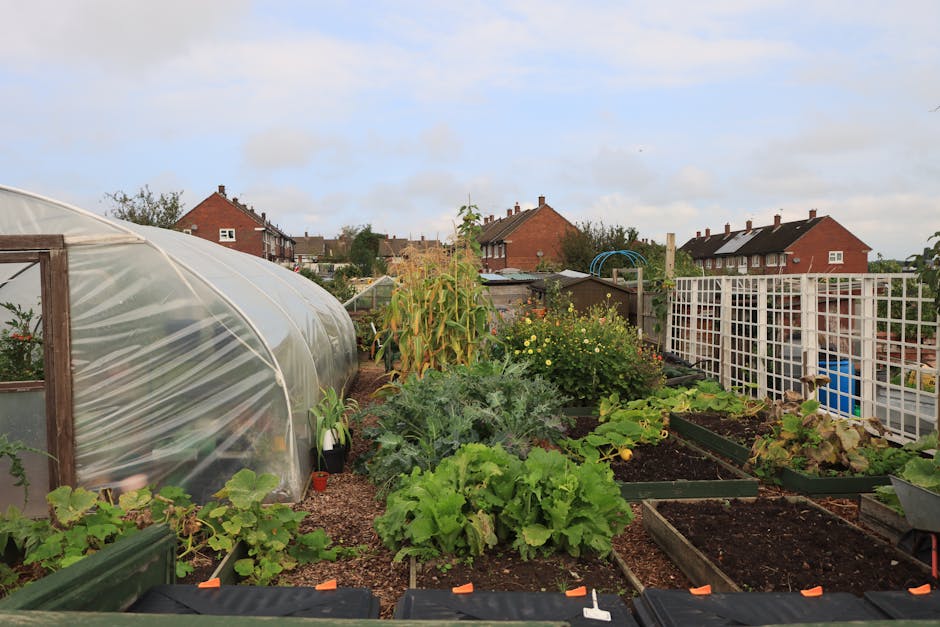
If you're looking for garden maintenance near Ridley Road Market Dalston by gardeners, you're probably after something very specific: a tidy, healthy outdoor space without the hassle of keeping on top of it every week. In a busy part of Dalston, gardens can slip quickly. One windy spell, a bit of rain, a burst of weeds, and suddenly the whole place looks a bit sorry for itself. That's where regular, thoughtful maintenance makes all the difference.
Good garden care is not just about mowing and neatening edges. It's about keeping plants resilient, surfaces safe, hedges under control, and the whole space usable all year round. In this guide, we'll walk through what the work usually includes, how it's done, what to expect from local gardeners, and how to avoid the common mistakes that turn a manageable garden into a weekend headache.
To make this genuinely useful, we'll also cover maintenance priorities for compact urban gardens, shared access spaces, rental properties, and homes where privacy, weather exposure, or low upkeep matter just as much as appearance. Let's face it, in London you want a garden that works hard for you.
Why Garden maintenance near Ridley Road Market Dalston by gardeners Matters
Gardens near Ridley Road Market are often working gardens rather than show gardens. That sounds obvious, but it matters. These spaces can be small, overlooked, shaded by neighbouring buildings, or exposed to street dust, wind, and the general wear and tear of urban life. Plants compete for light. Soil can become compacted. Paving gets slippery. Hedges keep growing whether you have time or not.
Regular maintenance keeps the garden looking intentional instead of neglected. It also prevents small issues from becoming expensive ones. A patch of ivy left alone for a season can creep under fences, climb walls, and suffocate young shrubs. A lawn left too long can thin out. A border full of weeds will pull nutrients from the plants you actually want to keep. None of that is dramatic. It's just normal garden physics, really.
In this part of Dalston, outdoor spaces often have to do several jobs at once: somewhere to sit, somewhere for children or pets, a private corner from neighbouring windows, and sometimes a low-effort escape from indoor life. Maintenance supports all of that. The garden stays cleaner, safer, and easier to enjoy.
If you're also thinking about wider outdoor improvements, it can help to explore the broader gardening services available, especially if your space needs more than just the occasional tidy-up. For tricky overgrowth, the local hedge trimming Dalston service is particularly relevant.
How Garden maintenance near Ridley Road Market Dalston by gardeners Works
A proper maintenance visit usually starts with a quick assessment. A gardener looks at the condition of lawns, beds, hedges, trees, paving, borders, and any problem areas such as drainage, weeds, bare patches, moss, or overgrown climbers. That first look shapes the work plan. No two gardens are quite the same, and truth be told, the best gardeners don't treat them as if they are.
Most maintenance is built around recurring tasks. These may include mowing, edging, pruning, deadheading, clearing leaves, weeding, feeding, watering, and checking for pests or disease. Seasonal work is also common. In spring, the emphasis is often on recovery and growth. In summer, it's control and watering. In autumn and winter, it's protection, clearance, and structure.
For local homes, the service can be as light-touch or as hands-on as needed. Some people want a regular tidy each month. Others need a one-off reset before letting a property, hosting visitors, or starting a new planting plan. The key thing is consistency. One-off jobs help, but regular maintenance keeps the whole outdoor space stable and easier to manage.
There's also a practical side to this. If your garden includes paths, decking, or patio areas, maintenance may need to be coordinated with cleaning or repair work. For example, moss on paving or algae on timber can quickly undo the look of an otherwise neat garden. In those cases, a service like patio cleaning or decking services can sit neatly alongside routine garden care.
Key Benefits and Practical Advantages
The most obvious benefit is visual. A maintained garden simply looks better. But the real value goes deeper than that.
- Healthier plants: Regular pruning, feeding, and soil care help plants stay strong through seasonal stress.
- Less weed pressure: Keeping on top of weeds early is far easier than tackling a garden that has gone wild for months.
- Improved safety: Clear paths, trimmed growth, and better visibility reduce trip hazards and awkward corners.
- Better use of space: Compact Dalston gardens often need to work as outdoor rooms, not just planting beds.
- Higher curb appeal: Even a small front garden can change how a property feels from the street.
- Less stress for you: That quiet relief of stepping outside and not seeing a long to-do list. Honestly, it matters.
There's also a sustainability angle. A well-maintained garden uses water, compost, mulch, and plant choice more efficiently. Instead of constantly replacing stressed plants, you build something more resilient over time. If that sounds like the kind of garden you want, the ideas in soil enrichment through the alchemy of waste are well worth a read, especially if your beds feel tired or compacted.
And if you're trying to create a low-fuss space from the start, you might also find value in low-maintenance garden ideas and ground cover selections that reduce ongoing work without making the place look bare.
Who This Is For and When It Makes Sense
This service makes sense for a lot of people, not just homeowners with large back gardens. In fact, some of the most maintenance-hungry spaces are small city gardens that get used constantly but rarely get enough time spent on them.
You may be a good fit if you:
- live near Ridley Road Market and want a garden that stays tidy through the week;
- have a rental property and need the outdoor space to stay presentable;
- struggle to keep up with hedges, weeds, and lawn growth;
- have children or pets and need a safer, cleaner space;
- are preparing for a sale, new tenancy, or family visit;
- want the garden maintained but not redesigned from scratch.
It also makes sense when the garden is in decent shape but not quite manageable. That middle stage is often where people get stuck. The lawn is patchy, the hedge is awkward, the borders are untidy, and you keep meaning to sort it out on Saturday. Then Saturday happens. A lot of tea is made. Nothing gets done. We've all been there.
If the garden has moved beyond routine care, you may need a fuller refresh. In that case, it's worth looking at landscaping or even a planned garden maintenance visit first, so the space can be brought back under control before being fine-tuned.
Step-by-Step Guidance
If you want to understand how a garden maintenance visit usually unfolds, here is the practical version.
- Inspect the space. Check the lawn, beds, borders, hedges, paving, fences, and any climbing plants or problem areas.
- Prioritise safety and access. Clear branches, remove obvious trip hazards, and make sure gardeners can move through the garden without disruption.
- Set the seasonal tasks. Decide whether the focus is weed removal, mowing, pruning, leaf clearance, planting, or restoration.
- Work from structure to detail. Start with larger items like hedges and lawn edges, then move to beds, pots, and finishing touches.
- Manage waste responsibly. Green waste should be removed, composted, or handled in line with the agreed service plan.
- Review problem areas. Look at drainage, compacted soil, moss, shade, or overgrowth that keeps returning.
- Plan the next visit. Regular maintenance works best when it is timed before the garden gets unruly again.
That sequence sounds simple, and mostly it is. The trick is knowing where to spend time. If the lawn needs mowing but the hedge is also shading the bed and ivy is creeping in behind the shed, a good gardener will choose the order that gives the biggest improvement first.
For some spaces, a maintenance plan may include specialist services. If a tree is casting too much shade or dropping debris, the right next step could be tree surgery. If boundaries are failing or the garden needs clearer separation, fencing can become part of the broader plan.
Expert Tips for Better Results
Here are a few practical habits that make maintenance easier and better in the long run.
- Stay ahead of weeds. Pull them early, before they seed. This is boring advice, yes, but it works.
- Use mulch where possible. It helps suppress weeds, protect soil, and hold moisture through drier spells.
- Don't over-prune for the sake of tidiness. Some plants need shape, but aggressive cutting can weaken them.
- Watch for shade change. In dense urban areas, one new fence panel or a growing tree can change the whole light pattern.
- Make maintenance seasonal, not random. A simple routine often beats a big panic clean once every few months.
A small but useful tip: keep one corner of the garden easy to access for tools, bags, and waste. You'll be surprised how much smoother a maintenance visit goes when the gardener isn't working around plant pots, bikes, and three slightly grumpy recycling boxes.
For design choices that support easier upkeep, browse ideas on container gardening and vertical gardening. These approaches can be especially helpful where ground space is tight.
If privacy is part of your goal, it may also help to think beyond simple screening and consider the right planting structure. The article on fast-growing hedge types is useful for that. And for those awkward shady corners that never quite behave, the guide on evergreen climbers is a sensible companion.
Common Mistakes to Avoid
The biggest mistake is leaving too much until it becomes a rescue job. A rescue job costs more time, more effort, and usually more money. The second mistake is treating every part of the garden the same way. Sun-facing borders, shaded corners, lawns, containers, and hedges all have different needs.
Other common problems include:
- Cutting hedges at the wrong time and accidentally removing nesting habitat or weak new growth.
- Scalping the lawn too short, which stresses it and encourages weeds.
- Ignoring the soil while focusing only on the surface.
- Leaving ivy unmanaged until it becomes structural rather than decorative.
- Using the wrong plants for low light, dry shade, or exposed spots.
Garden maintenance is often about restraint, not just action. A lot of people want to do more. Sometimes the right move is to do slightly less, but do it regularly. That's the quiet professional difference.
If ivy has become a repeat offender, the guide to getting rid of ivy for good may save you a lot of trial and error. And if winter damage keeps catching you out, the advice in winter plant protection is a smart seasonal reference point.
Tools, Resources and Recommendations
Most maintenance work depends on a sensible kit rather than fancy gear. The exact tools depend on the garden, but the essentials are fairly consistent.
- Hand tools: secateurs, loppers, trowels, hand forks, and a sturdy weeding tool.
- Cutting tools: hedge trimmers, pruners, and a mower appropriate to the size of the lawn.
- Cleaning tools: brooms, rakes, leaf collectors, and a pressure-safe method for hard surfaces where appropriate.
- Soil support: compost, mulch, and suitable feed for lawns or borders.
- Protection: gloves, eye protection where needed, and decent footwear for damp ground.
If you like understanding what professionals often rely on, the guide to a gardener's toolkit is a useful reference. It keeps things grounded in practical, everyday use rather than gadget hype.
For anyone trying to make a garden more robust over time, soil quality deserves serious attention. The piece on soil enrichment gives a good sense of how organic matter can support long-term growth. And if you want to build a more climate-aware garden, the article on gardens against climate change is a thoughtful place to start.
Law, Compliance, Standards, or Best Practice
For garden maintenance in a residential setting, the most important thing is safe, considerate working practice. That usually means handling tools carefully, managing waste properly, and avoiding damage to boundaries, paving, or planted areas. If work involves ladders, power tools, heavy pruning, or tree work, the standards of care should be higher still.
There are also sensible expectations around neighbourly conduct. In London, gardens are often close together, so noise, access, and debris management matter. It's best practice to keep paths clear, control mess, and avoid letting cuttings blow into neighbouring properties. A good gardener should work neatly and leave the site tidy.
Where tree work is involved, caution is essential. Large limbs, unstable trunks, or overhanging branches are not weekend DIY territory. If in doubt, specialist help is the safer option. The same goes for fences, heavy climbing plants, and unstable decking. If a job feels structurally risky, it probably is.
It is also worth checking business policies before arranging work. The pages on health and safety, insurance and safety, and terms and conditions are useful signals that a provider takes the practical side seriously. That's not paperwork for the sake of it. It protects everyone.
For payment confidence and service clarity, payment and security and pricing and quotes can help set expectations before work starts. And if you ever need to raise a concern, the complaints procedure should be easy to find and straightforward to understand.
Options, Methods, or Comparison Table
Not every garden needs the same level of attention. Some need a quick tidy. Others need proper ongoing maintenance. Here's a simple comparison to help you think it through.
| Approach | Best for | What it usually includes | Typical outcome |
|---|---|---|---|
| One-off tidy-up | Overgrown or neglected gardens | Weeding, cutting back, clearing, basic shaping | Fast visual improvement, but it may not last long without follow-up |
| Regular maintenance | Homes that want to stay tidy year-round | Mowing, pruning, edging, seasonal care, waste removal | Consistent, easier-to-manage garden with fewer surprises |
| Maintenance plus upgrades | Gardens that need improvement, not just upkeep | Routine care plus planting changes, hard surface cleaning, structure work | A more usable space that looks better and performs better |
If your garden is mostly under control, regular maintenance is usually the best-value choice. If it has become stubbornly untidy, a one-off reset can create breathing room before moving into a calmer routine. And if the whole layout feels awkward, a combination of upkeep and landscaping support may be the smarter route.
Case Study or Real-World Example
Here's a realistic local scenario. Imagine a small rear garden off a Dalston street, with a patchy lawn, ivy on the back wall, a couple of crowded borders, and a paved area that gets slippery after rain. The owner wants somewhere pleasant to sit but has limited time for upkeep.
A sensible maintenance plan would begin with clearance: remove weeds, cut back overgrowth, trim the hedge line, and deal with ivy before it gets stronger. The lawn would be brought back to a manageable height, edges redefined, and the paving cleaned so it's safer underfoot. After that, the gardener would likely look at improving soil, simplifying the planting, and choosing a few easier plants for structure and interest.
That approach does two things at once. First, it restores order. Second, it reduces future effort. The space becomes easier to keep tidy, which is really the whole point. Nobody wants a garden that looks great for two days and then collapses into chaos again. A bit dramatic, but you know what I mean.
For a garden like that, maintenance alone may not solve everything. If the hedge is causing shade or privacy problems, a local hedge trimming service can help rebalance the light and view. If there is a hardstanding area that has gone dull, pairing maintenance with patio cleaning makes the whole garden feel more finished.
Practical Checklist
Use this checklist if you're preparing for a maintenance visit or reviewing your own garden routine.
- Check lawn height and edge definition.
- Remove visible weeds before they seed.
- Prune back overgrowth blocking paths or windows.
- Clear fallen leaves, twigs, and general debris.
- Inspect hedges for uneven growth or dead sections.
- Look for signs of pests, mildew, or plant stress.
- Confirm which areas need mulching, feeding, or replanting.
- Check paving, decking, and steps for moss or slipperiness.
- Review drainage and any areas that stay wet after rain.
- Set a realistic date for the next visit. Regular beats heroic, every time.
Expert summary: the best garden maintenance is the kind you barely have to think about because it happens before the mess builds up. Small, regular attention keeps your garden calmer, healthier, and far more enjoyable.
Get a free quote today and see how much you can save.
If you want to understand the team behind the work before making a decision, you can also read more about us and see how the service approach is built around practical care, not just quick fixes.
Conclusion
Garden maintenance near Ridley Road Market Dalston by gardeners is really about keeping life outside simple, tidy, and usable. That might mean weekly care for a compact city plot, seasonal attention for a family garden, or a longer-term plan to bring an untidy space back under control. However it starts, the value is in consistency.
The right maintenance routine protects plant health, reduces weeds, improves safety, and makes the garden feel like part of the home rather than another job waiting to happen. And in a place where space is precious, that's worth a lot.
When a garden is looked after properly, it stops asking for attention and starts giving something back. A bit of calm. A bit of privacy. A better morning coffee spot. That's not a small thing at all.
Frequently Asked Questions
What does garden maintenance near Ridley Road Market Dalston usually include?
It usually includes mowing, edging, weeding, pruning, hedge care, leaf clearance, plant tidying, and general seasonal upkeep. Some gardens also need patio or decking cleaning as part of the routine.
How often should a garden be maintained?
That depends on plant growth, garden size, and how much the space is used. Many urban gardens benefit from regular visits during the growing season, then lighter seasonal work in colder months.
Is garden maintenance different from landscaping?
Yes. Maintenance keeps an existing garden healthy and tidy. Landscaping changes the layout, structure, or major features of the space. They can work together, but they are not the same job.
Can garden maintenance help with privacy?
Absolutely. Hedges, climbers, and the right planting structure can make a big difference. If privacy is a priority, it may also help to look at hedge trimming and plant choices that support screening.
What should I do before a gardener arrives?
Clear access paths, move fragile items, mention any problem areas, and decide what matters most. If there are pets, gates, or shared spaces, it's helpful to flag those early.
What happens if my garden is badly overgrown?
A gardener will usually start with clearance and shaping rather than fine detail. Once the space is under control, it becomes easier to move into regular maintenance and better planting choices.
Do I need regular lawn care as well as general maintenance?
Often, yes. Lawns respond best to their own routine, especially if the grass is patchy, compacted, or uneven. Dedicated lawn care can make a noticeable difference to the overall look of the garden.
Are there safety considerations for garden work?
Yes. Tools, ladders, uneven ground, tree work, and slippery surfaces all need care. It's sensible to use insured, safety-conscious gardeners and to avoid DIY on risky jobs.
How do I know whether I need hedge trimming or tree surgery?
If growth is thick but manageable, hedge trimming may be enough. If branches are large, unstable, or affecting structures or light levels significantly, tree surgery may be the better fit.
Can small gardens still benefit from maintenance?
Definitely. Small gardens often need more regular attention because everything is visible and growth can feel crowded fast. A neat, well-kept small space can feel much larger and calmer.
What is the best way to keep maintenance affordable?
Stay on top of small tasks before they become big ones, choose lower-maintenance planting where suitable, and schedule regular visits rather than waiting for major overgrowth. That usually keeps costs and effort more predictable.
How do I get started?
The simplest next step is to request a quote, explain what the garden needs, and ask what kind of maintenance pattern would suit the space. A quick conversation usually reveals whether you need a tidy-up, a routine plan, or a broader refresh.