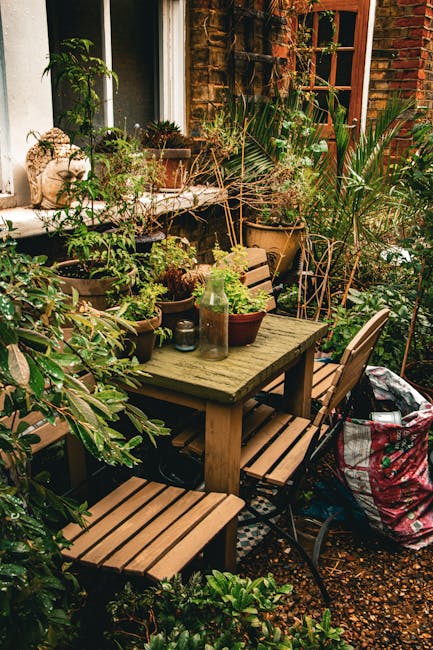
Dalston Lane E8 garden clearance and planting by local gardeners
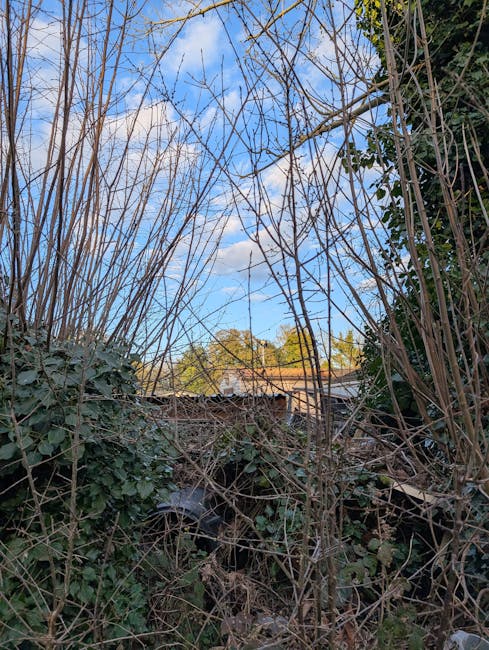
If your Dalston Lane garden has tipped from "a bit untidy" into "where do we even start?", you are not alone. In busy E8 homes, outdoor spaces often end up carrying the leftovers of every season: tired shrubs, self-seeded weeds, broken pots, ivy that has taken the hint and ignored it, and planting beds that no longer feel like beds at all. Dalston Lane E8 garden clearance and planting by local gardeners is about turning that mess into something usable, healthy, and pleasant again.
The good news? A proper clearance is not just a tidy-up. Done well, it sets the stage for planting that actually lasts. It can improve drainage, make a small urban garden feel bigger, and give you a clearer idea of what your space can realistically support. In this guide, we'll walk through the process, the benefits, the common pitfalls, and the practical decisions that matter most for Dalston Lane gardens. No fluff. Just the stuff that helps.
Why Dalston Lane E8 garden clearance and planting by local gardeners Matters
Garden clearance is the reset button. Planting is the rebuild. Put them together and you get a garden that does more than look neat for a week or two. It starts functioning properly again.
On Dalston Lane, gardens are often compact, overlooked, shaded by nearby structures, or exposed to a surprising amount of wind. That mix can leave you with patchy lawns, leggy shrubs, and hard-to-manage corners where weeds and self-seeded growth take over fast. Clearing those areas properly helps you see the real bones of the garden: where light falls, where water sits, which plants have survived despite neglect, and which ones are best removed.
Local gardeners bring a practical advantage here. They understand the pace of urban gardens, the way small spaces need layered planting, and the reality that not every plot can handle thirsty borders or sprawling shrubs. Sometimes the smartest fix is not a dramatic makeover. Sometimes it is a tidy, careful clearance, a bit of soil improvement, and planting the right things in the right places. Simple, really. Not easy, but simple.
It also matters for safety and access. Overgrown paths, unstable piles of waste, hidden steps, and thorny brambles can turn a garden into a nuisance. If you are planning future work, whether that is hedge management, lawn recovery, or a fuller redesign, clearing first means every later decision becomes more accurate. If you want to understand how this fits into wider upkeep, it may help to look at garden maintenance support and the broader gardening services offered locally.
Expert summary: In most Dalston Lane gardens, the best results come from clearing first, then planting with a clear plan for light, drainage, height, and maintenance. Skip the clearing stage and even good planting can struggle.
How Dalston Lane E8 garden clearance and planting by local gardeners Works
A proper clearance-and-planting job usually follows a sensible sequence. The order matters more than people think. You cannot plant confidently into a garden that still hides debris, root competition, or compacted soil under a layer of old growth.
Typically, the work begins with a quick assessment. The gardener looks at what is growing, what needs removing, what can be cut back, and what should be preserved. That assessment might sound obvious, but it prevents a lot of bad decisions. For example, a shrub may look dead when it is just dormant, or an ivy mat may be hiding wall damage and crumbly mortar. In that kind of situation, care beats speed every time.
Clearance can include:
- Removing weeds, brambles, and invasive growth
- Cutting back shrubs, climbers, and overgrown borders
- Collecting leaf litter, twigs, and broken garden waste
- Lifting dead plants, old compost, or spent annuals
- Taking away bulky debris where required
- Preparing beds for replanting or soil improvement
Once the area is clear, the planting phase starts. This does not mean just dropping in a few new plants and hoping for the best. It usually involves soil work, spacing, plant selection, and a quick check on light and moisture. If the garden is shady, for instance, evergreen climbers or low-light plants may be the smarter route. If privacy is the issue, a layered screen might work better than a single row of tall plants. For ideas that fit these kinds of choices, see evergreen climbers for shady spaces and fast-growing hedge options for quick screening.
Local gardeners also think in seasons. A planting plan in spring is not the same as one in late autumn. In winter, protection matters more; in summer, watering strategy and establishment time matter more. That kind of timing detail is what keeps a project from looking great for two weeks and then fading, which, let's face it, is a bit of a gardening tragedy.
Key Benefits and Practical Advantages
The strongest benefit is obvious: your garden becomes usable again. But the practical gains go further than tidiness.
- Better growing conditions: Clearing away dead matter and root clutter gives new plants room to establish.
- Improved appearance: A neat border, clean line, and fresh planting scheme can transform a tired space quickly.
- Less long-term maintenance: The right plants, placed well, reduce future strain and make upkeep more predictable.
- Safer access: Removal of broken timber, tangled growth, and slippery debris helps pathways and steps feel safer.
- Stronger privacy and structure: Screening plants, hedges, or climbers can soften overlooked spaces without making them feel boxed in.
- Better seasonal resilience: Healthy soil and suitable planting make it easier to cope with wind, shade, dry spells, and winter stress.
There is also a psychological benefit that people underestimate. A clear garden feels lighter. You notice the birds again, the smell of damp soil after clearing, the little patch of sun near the fence, the space you forgot you had. That sounds sentimental, maybe, but it is true. Outdoor spaces affect how you use your home.
If you are trying to keep costs sensible, planting choices can be matched to low-maintenance designs and compact urban layouts. Related ideas are covered in budget-friendly low-maintenance garden ideas, which is useful when you want improvement without creating a maintenance monster.
Who This Is For and When It Makes Sense
This kind of work suits a few very different people, and that is part of its appeal.
1. Homeowners with an overgrown back garden. If shrubs have swallowed your borders or weeds are winning, clearance plus planting is the fastest route back to control.
2. Landlords and new tenants. A rental garden often needs a neutral, tidy reset. Not too fussy, not too expensive, just presentable and safe.
3. Busy households. If you do not have the time to keep fighting an untidy plot, choosing the right planting plan saves effort later on.
4. People improving privacy or kerb appeal. A good planting scheme can make a street-facing space feel calmer and more welcoming, especially in tighter parts of E8.
5. Families and pet owners. If you need a garden that works for children or dogs, the planting needs to be robust, non-fussy, and easy to keep clean. For more tailored layout thinking, the guides on family-friendly garden design and dog-safe garden ideas are useful starting points.
It also makes sense after a long period of neglect, before a property sale, or when you have just inherited a garden that has not been touched properly in years. Truth be told, gardens often wait until life calms down. Then they need a bit more than a quick trim.
Step-by-Step Guidance
Here is the straightforward version of how local gardeners usually approach a Dalston Lane clearance and planting job.
- Survey the space. Identify what stays, what goes, and what needs specialist treatment. Look at access points, awkward corners, and hidden problem areas.
- Remove waste and overgrowth. Cut back what is excessive, pull up invasive weeds, and clear debris from borders, paths, and hard surfaces.
- Deal with stubborn growth properly. Ivy, deep-rooted weeds, and thick bramble patches often need more than a quick pull. Done badly, they come back with interest.
- Check the soil. Is it compacted, dry, poor, or full of old roots? Many planting failures start here, not with the plants themselves.
- Improve the soil. Add compost, mulch, or organic matter where needed. If the beds feel tired, the soil usually is too. See soil enrichment through organic waste for a simple explanation of this stage.
- Choose the planting mix. Match the plants to sunlight, shade, aspect, and maintenance capacity.
- Plant in layers. Ground cover, mid-layer plants, and taller structure plants help a small space feel fuller without becoming messy.
- Water in properly and finish with mulch. This helps new planting settle, especially during dry spells.
- Set a maintenance plan. The best clearance work is wasted if the follow-up is ignored. A light schedule keeps the garden on track.
A practical example: a narrow E8 garden with tangled climbers, patchy paving, and two exhausted borders might be cleared in a morning, then replanted with evergreen structure, container planting, and a few low-growing fillers. The result is not a show garden. But it feels coherent. And coherence is underrated.
Expert Tips for Better Results
These are the small decisions that quietly make the biggest difference.
Think in layers, not just plants. A border with one type of plant often looks flat. A mix of textures, heights, and leaf shapes gives better movement and a fuller feel.
Use climbers where floor space is limited. In urban gardens, vertical surfaces are precious. A fence, wall, or trellis can carry real visual weight. If that sounds useful, the article on vertical gardening solutions is worth a look.
Keep at least some year-round structure. Evergreen plants help the garden look intentional even in the colder months. Otherwise the space can go a bit bare and gloomy by November. We all know that feeling.
Choose low-maintenance plants for awkward spots. Shady corners, windy edges, and dry patches are not ideal places for delicate bedding plants. Use resilient species instead. For inspiration, the guide on ground cover selections offers a useful starting point.
Keep invasive plants under control from the start. If ivy or similar growth has spread too far, removal should be planned properly, not rushed. There is a useful discussion on removing ivy effectively.
Plan for winter before winter arrives. Newly planted borders are vulnerable to cold winds and sharp frosts. A little protection in autumn makes spring much easier. See winter plant protection tips for more context.
If you are curious about broader design touches, a carefully placed seating area can make even a modest garden feel more finished. This is especially true in compact London gardens where every square metre has to justify itself. The guide to garden seating ideas is a smart companion piece.
Common Mistakes to Avoid
Most garden problems after clearance come from rushing the planting stage. That is the honest answer.
- Planting before the soil is ready. Fresh plants in compacted, dry, or debris-filled soil often struggle from day one.
- Ignoring shade and aspect. A sunny plant in a shaded corner will usually disappoint, no matter how nice it looked at the nursery.
- Leaving roots behind. Some weeds and climbers return if the root system is not properly dealt with. Annoying, but common.
- Choosing plants only for looks. Nice flowers are great. Plants that survive the site are better.
- Forgetting access and maintenance. If a border is impossible to reach, it will become untidy again quickly.
- Overcrowding new planting. It can look fuller at first, but crowded plants compete and look messy sooner.
Another common issue is underestimating how long a garden takes to settle. New planting often looks a little bare at first. That is normal. The garden is not failing; it is establishing. A lot of people give up too soon. Don't.
Tools, Resources and Recommendations
A proper clearance and planting job usually involves a mix of hand tools, cutting tools, and soil-prep basics. You do not need a massive kit, but the right kit matters.
Useful tools often include:
- Gloves that can handle brambles and rough stems
- Secateurs for precise cutting back
- Loppers for thicker stems and woody growth
- Spades and forks for soil loosening and replanting
- Rakes and stiff brushes for collecting loose debris
- Wheelbarrows or sacks for moving waste safely
- Mulch and compost for bed improvement
If you are trying to understand the wider kit a professional gardener may rely on, the article on essential gardening tools gives a clear overview.
For people who want a lower-maintenance outcome, the planting style matters just as much as the tools. Container displays can be a useful option where soil is poor or access is limited, and they allow more control over water and positioning. See container garden solutions for practical ideas.
If the garden has a lot of empty vertical space, or if privacy is a priority, use climbers, screening plants, or trained growth on walls and fences. That can make the space feel finished without stealing usable ground area.
Law, Compliance, Standards, or Best Practice
For most domestic garden clearance and planting jobs, the main concerns are not heavy regulation; they are safe practice, responsible waste handling, and respect for neighbouring property. That said, a reputable local gardener should still work carefully and professionally.
Good practice usually includes:
- Handling garden waste responsibly and separating bulky material where needed
- Using safe methods for cutting, lifting, and carrying debris
- Checking for hidden hazards before starting work, including broken glass, unstable edges, or concealed masonry
- Being cautious around trees, roots, and boundary features
- Respecting access routes and keeping shared spaces tidy
Where tree work is involved, or if there is significant overgrowth close to structures, a more specialist approach may be needed. That is one reason some projects benefit from looking at tree surgery support or hedge trimming services alongside general clearance.
Insurance, safety, and clear terms matter too. If someone is working on your property, it is sensible to understand how they approach risk and customer care. The pages on insurance and safety, health and safety, terms and conditions, and payment and security can help build confidence before you book anything.
Accessibility and fair service practice also matter when a team is working in tight urban spaces with steps, narrow side access, or shared entrances. That is not just a compliance box. It is what good local work looks like.
Options, Methods, or Comparison Table
Not every garden needs the same approach. Here is a simple comparison of common options.
| Approach | Best for | Strengths | Limitations |
|---|---|---|---|
| Light clearance + selective planting | Gardens that are mostly manageable but cluttered | Quick turnaround, lower disruption, keeps good plants | May not solve deeper soil or root issues |
| Full clearance + replanting | Overgrown or neglected gardens | Clean reset, easier to plan properly, better long-term structure | More time, more waste, usually more labour |
| Clearance + containers | Small, shaded, or soil-poor spaces | Flexible, neat, easy to refresh seasonally | Needs watering and upkeep more regularly |
| Clearance + screening planting | Overlooked gardens or boundary issues | Improves privacy and creates a calmer feel | Screening takes time to mature |
If your garden is mostly decorative, a light refresh may be enough. If it has turned into a jungle, a fuller reset is usually the smarter investment. There's no prize for doing it the hard way.
Case Study or Real-World Example
Here is a realistic example based on the kind of work local gardeners see often in E8.
A small rear garden off Dalston Lane had become crowded with ivy, uneven patches of old planting, a broken oblong border, and a patch of compacted soil near the back fence. The owners wanted two things: a usable space for sitting out in summer and enough greenery to stop the garden feeling bare in winter.
The first visit focused on clearance. Dead stems were removed, ivy was cut back carefully, weeds were lifted, and the border was stripped out to reveal what was actually there. As is often the case, the garden looked worse before it looked better. A bit bleak for an hour or two, to be honest. Then the shape came back.
Next came soil improvement and a simple planting plan: evergreen structure near the boundary, lower planting toward the centre, and containers near the paved area to soften the hard edges. The final result was not extravagant. It did not try to be. But it felt calmer, brighter, and much easier to care for. The owners could see the fence again. They could also see the point of the garden again, which matters just as much.
That kind of outcome is common when clearance and planting are treated as one project rather than two separate jobs. If you want to talk through a similar idea for your own space, you can start with the local team via the contact page.
Practical Checklist
Use this before, during, or after a clearance-and-planting project.
- Identify what must be removed and what should stay
- Check for hidden hazards, broken items, and awkward access points
- Decide whether the goal is tidiness, privacy, colour, wildlife value, or lower maintenance
- Test soil condition where planting will happen
- Choose plants suited to shade, sun, wind, and space
- Plan for ground cover, climbers, or screening if needed
- Allow room for growth so the garden does not become overcrowded
- Make sure waste removal is included or clearly understood
- Set a simple follow-up maintenance routine
- Review safety, insurance, and service terms before work begins
Quick reminder: if you are unsure whether a plant, wall, or boundary feature should be cut, lifted, or left alone, ask before acting. A five-minute conversation can save a lot of regret later.
Get a free quote today and see how much you can save.
Conclusion
Dalston Lane E8 garden clearance and planting by local gardeners is really about giving a tired outdoor space a second life. First, you remove the noise: weeds, clutter, dead growth, and the little issues that have been building up unnoticed. Then you add back the right structure, the right plants, and the right level of care.
That sequence matters. It is the difference between a garden that looks briefly improved and one that actually feels easier to live with through the seasons. If your garden is tight, shaded, overlooked, or just plain messy, the answer is rarely more effort in the same old way. It is usually a cleaner plan.
And once the space starts to breathe again, you will notice something else: the garden begins to feel like part of the home, not a job hanging over you. That is the real win.
Frequently Asked Questions
What does garden clearance usually include?
It usually covers removing weeds, dead plants, brambles, leaf litter, old debris, and overgrown growth. Some jobs also include cutting back shrubs, ivy, and climbers, plus taking away waste.
Do local gardeners also handle planting after clearance?
Yes, and that is often the best way to approach it. Once the garden is clear, local gardeners can improve the soil and plant species that suit the light, space, and maintenance level you want.
Is it better to clear the garden before planting?
Almost always, yes. Clearance helps reveal soil condition, access issues, and hidden problem areas. Planting into an uncleared space can lead to poor establishment and more work later.
How do I know which plants are right for a Dalston Lane garden?
Start with light, shade, wind exposure, and how much time you want to spend maintaining the space. In small E8 gardens, plants that suit urban conditions and offer year-round structure tend to work best.
Can a small garden still benefit from clearance and planting?
Absolutely. Small gardens often benefit even more because every square metre counts. A tidy clearance and a thoughtful planting plan can make a compact space feel much larger and calmer.
What should I do about ivy or very stubborn weeds?
They need proper removal, not just a quick surface cut. Some invasive growth can return if the root system is left in place. If in doubt, ask a gardener to assess it before you start pulling things up at random.
How long does a typical clearance and planting job take?
It depends on the size and condition of the garden. A lightly overgrown space may take only part of a day, while a neglected garden can take much longer. The planting stage also varies depending on how much design work is needed.
Will planting make the garden harder to maintain?
Not if the right plants are chosen. Good planting should make the garden easier to manage over time, not more demanding. The key is matching plant choice to your lifestyle and the site conditions.
What if my garden is shady or awkwardly shaped?
That is very common in urban London gardens. Shade-tolerant planting, climbers, containers, and layered structure can all work well in awkward layouts. There is usually a smarter solution than forcing in sun-loving plants.
Is waste removal usually included?
Sometimes yes, sometimes no. It is best to check exactly what is included before work begins, especially if there is a large amount of green waste or bulky debris to clear.
Can I ask for low-maintenance planting after clearance?
Yes. In fact, many homeowners do. If you want a garden that looks good without constant attention, ask for resilient planting, evergreen structure, and simple borders rather than high-maintenance displays.
How do I get started with local gardeners in Dalston?
The simplest step is to describe the current state of the garden and the result you want. A few photos and a short explanation usually help. If you are ready, begin with the contact page.