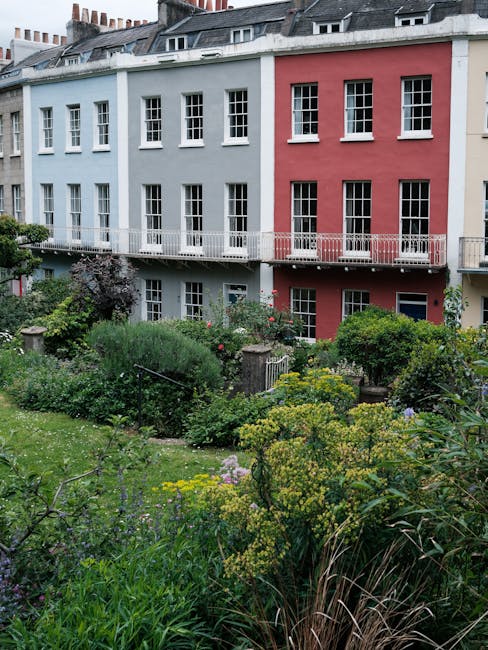
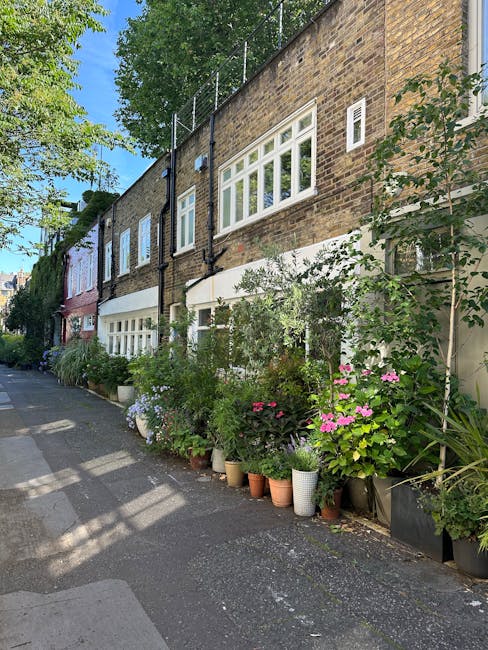
Dalston gardeners Kingsland High Street front garden makeovers
If your front garden on or near Kingsland High Street feels more "afterthought" than welcoming, you are not alone. Tight paving, patchy planting, tired edging, a gate that no longer quite matches the rest - these small details can quietly make a house feel worn out. The good news is that Dalston gardeners Kingsland High Street front garden makeovers are usually less about huge spending and more about making a few strong, well-judged decisions. Done properly, the front of the property starts doing a lot of quiet work for you: better kerb appeal, easier upkeep, a more polished entrance, and often a nicer view every time you come home.
In this guide, we'll break down how front garden makeovers work in a busy urban setting, what makes them especially relevant in Dalston, and how to plan a space that looks good through the seasons without becoming a weekend headache. We'll also cover practical steps, common mistakes, and the kind of design choices that make a small frontage feel intentional rather than crowded. Let's face it, the front garden is the handshake before the conversation.
Table of Contents
- Why Dalston gardeners Kingsland High Street front garden makeovers Matters
- How Dalston gardeners Kingsland High Street front garden makeovers Works
- Key Benefits and Practical Advantages
- Who This Is For and When It Makes Sense
- Step-by-Step Guidance
- Expert Tips for Better Results
- Common Mistakes to Avoid
- Tools, Resources and Recommendations
- Law, Compliance, Standards, or Best Practice
- Options, Methods, or Comparison Table
- Case Study or Real-World Example
- Practical Checklist
- Conclusion
- Frequently Asked Questions
Why Dalston gardeners Kingsland High Street front garden makeovers Matters
Front gardens in Dalston tend to work hard. They sit beside busy pavements, face traffic, dust, winter rain, and that odd mix of shade and reflected heat you get in urban streets. A front garden makeover is not simply about making things pretty. It is about designing a space that can cope with real life.
On Kingsland High Street and the surrounding streets, a front garden often has a few common challenges: compact dimensions, uneven light, hard surfaces that dominate the space, and a need for privacy without creating a closed-in feel. A thoughtful makeover turns those limitations into a design brief. That is where experienced local gardeners can make a proper difference. They know how to balance structure, planting, drainage, and access in a way that suits the way people actually live.
There is also the emotional side. A neat, plant-filled frontage changes how a home feels from the street and from the hallway. You notice the change in the morning as you step out, or in the evening when the light hits the planting. It sounds small. It is not small. A front garden sets the tone.
If you are planning a larger refresh, it can help to approach it as part of a wider renovation rather than a one-off tidy-up. The article on starting a garden renovation the right way is a useful companion read if your space needs more than a seasonal spruce-up. And if the project includes walls, boundaries, or screening, you may also want to think beyond planting and into boundary features that improve privacy and structure.
How Dalston gardeners Kingsland High Street front garden makeovers Works
A good front garden makeover usually follows a simple sequence, although the details vary from property to property. First comes assessment: how much light the space gets, where water sits after rain, what people need to walk through, and which parts of the frontage should feel open or screened. Then comes the design layer: what should stay, what should go, and what needs replacing.
In practical terms, Dalston front garden projects often combine five elements:
- Clear structure such as edging, paths, or a defined border.
- Planting that suits the site, especially for shade, drought, or exposed positions.
- Low-maintenance surfaces where appropriate, so the space does not become a chore.
- Privacy features like hedging, climbers, or layered planting.
- Regular upkeep to keep the finish crisp after the initial work is done.
What often surprises people is how much difference the first two decisions make. If you choose the wrong planting palette, everything else feels harder. If you choose the right one, even a small space can look calmer, fuller, and more deliberate. For example, ground cover can soften hard edges and reduce weeding pressure, while evergreen climbers can bring life to a fence or wall without demanding a huge footprint. If you are exploring that route, have a look at the guide to ground cover selections for UK gardens and the piece on evergreen climbers for shaded spots.
Sometimes the better option is to simplify rather than add. That is a hard sell if you love plants, I know. But on a narrow frontage, too many competing textures can make the place feel busy and smaller than it really is.
Key Benefits and Practical Advantages
There are plenty of reasons to invest in a front garden makeover, but the most useful benefits are usually the everyday ones. The nice thing about front gardens is that they influence daily life in subtle ways, and those little wins add up.
- Better kerb appeal: the property looks cared for, which matters whether you are staying put or preparing to sell.
- Less routine work: the right planting scheme and surface choices can dramatically cut maintenance.
- More privacy: layered planting or a well-chosen hedge can soften views from the street without feeling defensive.
- Stronger seasonal interest: evergreen structure, spring bulbs, summer texture, and winter form keep the space alive all year.
- Improved usability: a smarter layout can make bins, bikes, steps, and access easier to manage.
- Better drainage and soil health: especially important where old soils are compacted or depleted.
There is also a budget benefit, oddly enough. A well-planned front garden makeover can save money over time because it reduces repeated patch repairs, emergency plant replacements, and constant weeding. The article on budget-friendly low-maintenance garden ideas is especially useful if you are trying to get the most value from a modest spend.
One more thing: a front garden is one of the few outdoor spaces that almost everyone sees, every day. So if you enjoy that feeling of arriving home to something tidy, green, and settled, the benefit is immediate. Not abstract. Immediate.
Who This Is For and When It Makes Sense
Front garden makeovers in Dalston are a good fit for a wide range of households. You may be a homeowner wanting a cleaner, more polished entrance. You may rent but have permission to improve the frontage. Or you may simply be tired of looking at a space that never seems to hold together for more than a month.
It tends to make sense if your front garden is:
- too bare and lacking identity;
- overgrown, weedy, or dominated by one tired shrub;
- mostly hard landscaping with no softness;
- exposed to wind or street-level dust;
- awkward for bins, path access, or opening gates;
- too visible and you want more privacy without going fully enclosed.
It also makes sense if you are already planning related work. For example, if hedges need reshaping, it may be smarter to combine the project with hedge trimming in Dalston rather than leaving the boundary work half-done. Likewise, if the space includes tired paving or a grimy entry path, a quick refresh through patio cleaning can lift the whole frontage before new planting goes in.
A front garden makeover is not only for grand entrances. In fact, smaller spaces often benefit most because every square metre has to earn its keep. The trick is making the space look intentional, not packed. Subtle difference. Big effect.
Step-by-Step Guidance
Here is a practical way to approach a front garden makeover without getting lost halfway through. You do not need to do everything at once. In our experience, the best results come from a sequence that respects the site first and the aesthetics second.
- Start with a clean slate. Remove dead growth, weeds, self-seeded clutter, broken edging, and any materials that no longer serve the space.
- Map sun, shade, and exposure. Notice where the morning light falls, where the wind hits, and where soil stays damp after rain.
- Define the purpose of the space. Is it mainly decorative, partly practical, or meant to improve privacy and softness at street level?
- Choose structure first. Paths, edging, boundary planting, and any hard features should be decided before decorative planting is added.
- Select planting by function. Use evergreen shrubs for backbone, climbers for vertical impact, ground cover for low maintenance, and seasonal plants for interest.
- Improve the soil. Urban garden soils often need enrichment. Compost and organic matter can help quite a lot. If the ground is tired, this is not optional.
- Install and plant in layers. Place taller plants at the back, medium shrubs in the middle, and low planting or ground cover at the front.
- Finish with maintenance logic. Make sure the design can actually be looked after with the time you have available.
A simple example: if a small front garden gets only part-day sun, you might use evergreen climbers on a wall, a handful of shade-tolerant shrubs, and ground cover to reduce bare soil. Add one container near the door for a softer, seasonal touch. That is a lot better than cramming in five different "statement" plants and hoping they behave. They won't. Plants have opinions.
If your project includes a lot of replanting, the guide to soil enrichment through composting and waste reuse is a useful way to think about building healthier ground over time. For awkward vertical areas, the article on vertical gardening can open up more design possibilities than people expect.
Expert Tips for Better Results
There are a few details that often separate a decent front garden from one that feels genuinely well designed.
- Use repetition sparingly. Repeating two or three plant types creates calm. Too much variety creates fuss.
- Think in layers, not lines. A flat row of plants can feel stiff. Layered heights add depth, especially from the street.
- Pick at least one evergreen element. Otherwise, the garden can look empty for half the year.
- Let one feature lead. It might be a hedge, a doorway container, a climber, or a clean path edge. One focal point is enough.
- Do not ignore the front door. A makeover should support the entrance, not compete with it.
- Keep maintenance realistic. If you will not deadhead weekly, do not design as if you will.
One especially useful move in a busy street is to use boundary planting for softness and privacy, rather than relying only on screens or hard barriers. Fast-growing hedges can help if there is room for them, and climbers can give you a similar effect in narrower spaces. For that, fast-growing hedge types and wind-aware planting strategies are both worth a look.
If you want a garden that feels tranquil rather than busy, it can also help to borrow ideas from Zen-style garden thinking. Not everyone wants a Zen garden, obviously, but the principle is useful: less clutter, better rhythm, cleaner edges.
Common Mistakes to Avoid
Front garden projects often go wrong in the same predictable ways. Most of them are avoidable, which is the irritating part. But at least that means you can sidestep them.
- Choosing plants for a brochure, not the site. A plant may look brilliant in a garden centre and fail completely in your light, soil, or exposure conditions.
- Overfilling a small frontage. More plants do not always mean more beauty. Sometimes they just mean more pruning.
- Skipping soil preparation. Tired soil gives tired results. It really does matter.
- Using too many materials. Mixing lots of paving styles, edging types, and decorative finishes can make a space feel disjointed.
- Ignoring maintenance access. If you cannot reach the back of the border without trampling something, the design needs work.
- Forgetting winter structure. A front garden can look sparse for months if it has no evergreen backbone.
Another common issue is ivy that has been left to run unchecked over fences or walls. It can be attractive in the right place, but it can also take over, hide defects, and make maintenance awkward. If that sounds familiar, the article on dealing with ivy properly is a useful reality check. Mildly dramatic title, but the point is solid.
Truth be told, the biggest mistake is often rushing the design. The space ends up with bits and pieces instead of a clear idea. Slow down a little. That one extra hour planning can save weeks of annoyance later.
Tools, Resources and Recommendations
You do not need a shed full of specialist kit for a front garden makeover, but the right tools make the work cleaner and safer. The basics usually include pruning tools, a spade, a border fork, a rake, a wheelbarrow or sturdy bags, gloves, and a decent watering method for establishment.
If you are tackling the work yourself, it can help to read up on a few practical areas before you start:
- essential garden tools for the work itself;
- weed control basics before you replant;
- winter plant protection if your makeover will run into colder months;
- weather protection ideas for exposed frontages.
For many households, the smartest route is a mix of professional preparation and manageable aftercare. A team can handle clearing, reshaping, planting, and boundary improvements, while you keep on top of simple tasks like watering and light tidying. That balance is usually where a front garden starts to thrive without becoming a second job.
If pets or children use the frontage at times, think about safety and comfort too. The guides on dog-friendly garden design and family-friendly garden ideas can help you avoid choices that look lovely but do not fit daily life. Not every good-looking garden is a practical one.
Law, Compliance, Standards, or Best Practice
Most front garden makeovers in Dalston are straightforward from a compliance point of view, but there are still a few sensible checks. If your frontage borders public pavement, entrances, shared access routes, or retaining features, avoid anything that could create trip hazards or obstruct access. Keep surfaces stable and boundaries tidy. That sounds obvious, but people do occasionally build themselves into a corner - literally.
Where trees are involved, it is wise to treat major pruning or removal carefully and only use suitable, qualified help when the work is substantial. If roots, branches, or size reduction are part of the project, a specialist tree surgery service may be the right route rather than a quick trim with a ladder and optimism.
Good practice also means choosing contractors who can explain what they will do, how they will protect the site, and how they handle waste, access, and safety. It is reasonable to ask about insurance, working methods, and what happens if conditions change on the day. A professional team should be able to talk through that without fuss. If they cannot, that is a sign.
You can also review supporting pages such as insurance and safety, health and safety, terms and conditions, and payment and security if you want a clearer picture of how a reputable service should be run. Those pages are not glamorous, but they matter. A lot.
Options, Methods, or Comparison Table
Front garden makeovers are not one-size-fits-all. The right method depends on budget, upkeep tolerance, privacy needs, and how much of the existing space can reasonably stay in place.
| Approach | Best for | Pros | Trade-offs |
|---|---|---|---|
| Plant-led refresh | Small or medium front gardens needing softness and colour | Lower material cost, more natural look, strong seasonal interest | Needs the right soil and a bit more establishment care at the start |
| Low-maintenance hardscape update | Very busy households or space with poor existing surfaces | Cleaner layout, less ongoing weeding, easier access | Can feel stark if planting is not included thoughtfully |
| Privacy-focused frontage | Homes close to the street or passers-by | More screening, calmer feel, better boundary definition | Needs careful species choice to avoid looking heavy or boxed-in |
| Full makeover with landscaping | Overgrown or awkward sites needing a fresh start | Best overall transformation, can solve drainage and layout issues | Higher upfront cost and a more involved planning stage |
For many Dalston properties, the sweet spot is somewhere between plant-led and low-maintenance. Enough structure to feel calm, enough planting to feel alive. That balance tends to age well.
Case Study or Real-World Example
Here is a realistic kind of project we often see around Kingsland High Street: a narrow front garden with tired paving, one overgrown shrub, weeds at the edges, and a front window that feels a bit exposed to the street. The owners want something better, but they do not want a high-maintenance display that needs constant fuss.
The first step is usually clearing back the clutter and checking the soil. Then the layout gets simplified. Instead of several competing features, the design might use a clean path line, a restrained planting border, and a small cluster of evergreen structure near the frontage. If privacy is a concern, a climber or hedge can help soften the view without shutting the space in. If the soil is poor, it gets improved before new planting goes in.
One nice touch in this sort of project is a container by the door. Not too much. Just one or two well-chosen pots can make the entrance feel cared for and seasonal, especially in spring and early autumn when the light is doing something lovely and a bit low. The article on container solutions gives a good sense of why that works so well in compact spaces.
The result is not dramatic in a glossy-magazine way. It is better than that. It feels settled, tidy, and easy to live with. You stop noticing the bits you meant to fix later, because they are sorted already. That is the real win.
Practical Checklist
Before you start, run through this checklist. It keeps the project grounded and helps avoid the common "we'll figure it out as we go" trap.
- Assess sunlight, shade, wind, and drainage.
- Clear weeds, dead plants, and broken materials.
- Decide whether the priority is kerb appeal, privacy, low maintenance, or all three.
- Choose a clear style direction and keep it consistent.
- Use at least one evergreen feature for year-round structure.
- Check whether the soil needs compost or other enrichment.
- Confirm there is enough space for safe access and maintenance.
- Think about boundary work if privacy is an issue.
- Plan watering for the establishment period.
- Agree a realistic aftercare routine.
If you are comparing professional help, it can be useful to look at the broader service picture as well, including general gardening services, landscaping support, garden maintenance, and lawn care where relevant. That way you are comparing like with like rather than guessing.
Get a free quote today and see how much you can save.
Conclusion
A front garden makeover on or around Kingsland High Street is really about making a busy urban entrance feel calmer, greener, and easier to live with. The best projects do not try to do everything. They choose the right structure, the right planting, and the right level of maintenance for the real world, not an idealised one.
Whether your frontage needs a full reset or just a smarter finish, the same principles apply: keep it coherent, keep it practical, and let the space breathe a little. That is usually where the charm appears. Not all at once, but steadily. And once it clicks, you will notice it every time you come home.
If you are ready to take the next step, exploring a local team that understands Dalston gardens, street-facing planting, and compact urban layouts is a sensible place to begin. A good makeover should feel like relief, not pressure - and honestly, that is what most people are after.
Frequently Asked Questions
What makes front garden makeovers in Dalston different from suburban garden projects?
Dalston front gardens are often smaller, more exposed, and more visible from the street. That means layout, privacy, and maintenance choices matter more. You usually need stronger structure and more careful plant selection than you would in a larger suburban garden.
How much work does a front garden makeover usually involve?
It depends on the starting point. A simple refresh may involve clearing, soil improvement, edging, and planting. A fuller makeover can include new surfaces, hedging, climbers, boundary work, and a complete layout rethink. The messier the starting point, the more planning helps.
Can a small front garden still look impressive?
Absolutely. Small front gardens can be some of the best-looking spaces when they are simplified and given a clear design idea. A few well-chosen plants, good edging, and one strong focal point can do more than a crowded mix ever will.
What are the best plants for a low-maintenance front garden?
Evergreen shrubs, reliable ground cover, and climbers suited to your light conditions are often the best starting point. The exact choice depends on shade, exposure, and whether you want privacy or a softer decorative look.
Do I need a gardener, or can I do it myself?
You can absolutely handle smaller updates yourself if the space is straightforward and you have time. A professional is usually worth considering when the site needs a full redesign, soil correction, hardscape changes, hedge work, or a faster, cleaner finish.
How can I make my front garden more private without making it feel closed in?
Layered planting is usually better than a solid barrier. Hedges, climbers, and mixed-height borders can soften views while keeping the frontage open and welcoming. The trick is to screen selectively, not build a wall of green.
What should I do before planting anything new?
Clear weeds, remove dead material, assess drainage, and improve the soil if needed. It is tempting to skip straight to planting, but good preparation makes a huge difference to how well the garden settles in.
Is winter a bad time to start a front garden makeover?
Not necessarily. Some work can be planned in winter, especially clearing, design, and protection planning. Planting can still happen depending on conditions, but you do need to think about weather exposure and establishment carefully.
How do I keep the finished garden from becoming overgrown again?
Choose plants that match the time you actually have, not the time you wish you had. A sensible maintenance routine, occasional hedge trimming, and seasonal tidy-ups are usually enough to keep most front gardens looking sharp.
Will a front garden makeover add value?
It can improve presentation and buyer appeal, though exact value depends on the property and market. Even when it is not about resale, a well-kept frontage makes day-to-day life feel better, which is often reason enough.
What if my front garden gets wind or poor weather exposure?
Then you need sturdier planting and maybe some weather-aware structure. Wind-tolerant plants, sheltered containers, and careful placement of taller features make a real difference. A good plan respects the site rather than fighting it.
How do I choose between hedging, climbers, and containers?
Hedges are best where you have enough space for real structure. Climbers work well on narrow or vertical surfaces. Containers are useful for flexibility and seasonal interest. Very often, the best answer is a mix of all three, used sparingly.
Where can I find help or ask about a project?
You can start by speaking with a local team through the contact page. If you want a sense of the broader service offering first, browsing the about us page can also help you understand the approach and standards behind the work.