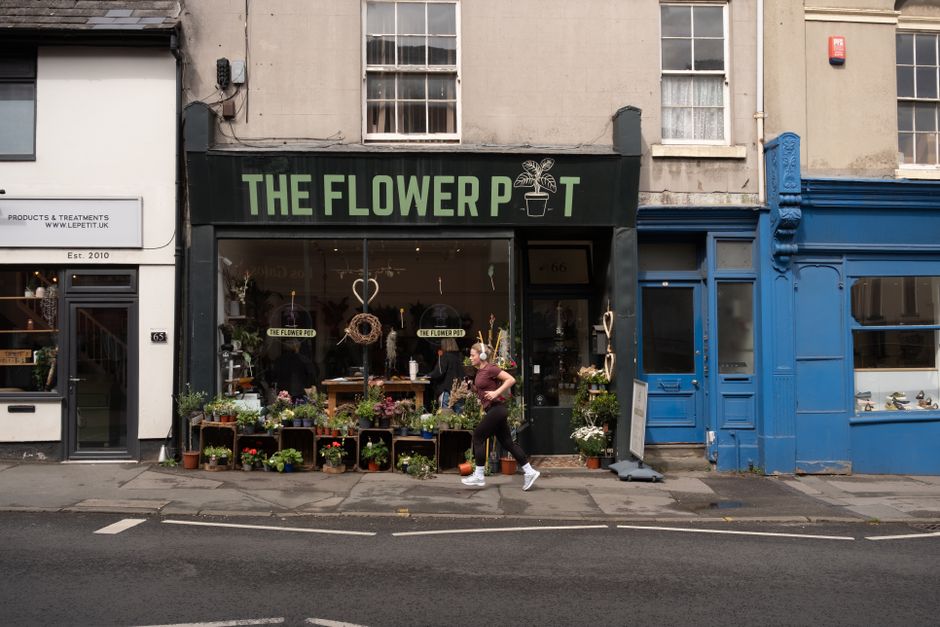
Commercial gardeners for Dalston shops and small offices
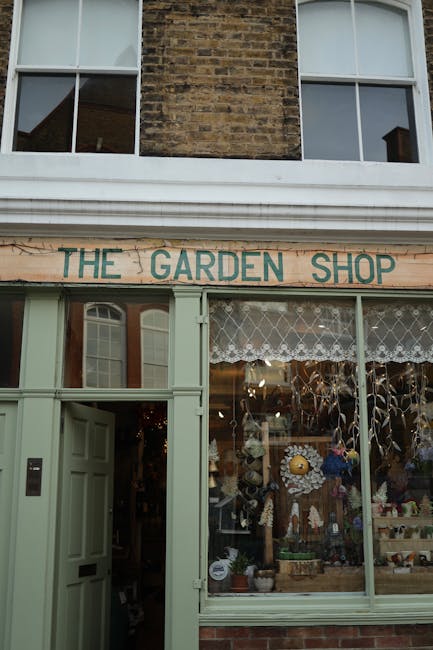
Shops and small offices in Dalston have a very particular kind of outdoor space: tight, visible, and busy enough that one untidy planter or overgrown hedge can look worse than it should. Commercial gardeners for Dalston shops and small offices help keep those spaces presentable, safe, and easy to manage without turning them into a second job for staff. That might mean smart planting outside a shopfront, regular maintenance for a rear courtyard, or a tidy entrance that still looks alive in the middle of a wet London week. Simple enough on paper. In reality, it takes planning.
This guide explains what commercial gardening actually involves, how the service usually works, what to ask for, and where businesses often go wrong. You will also find a practical checklist, a comparison table, and a few local-minded tips that make sense for small commercial sites rather than big landscaped estates. Let's face it, most shops do not need grand gestures; they need reliable, neat, and sustainable upkeep.
Why Commercial gardeners for Dalston shops and small offices Matters
For a local business, the outside space is never just decoration. It is part of the greeting, part of the brand, and part of the first five seconds a customer or client notices. A well-kept frontage can make a cafe feel more inviting, help a small office look organised, and make a narrow courtyard feel usable instead of forgotten. A tired planting bed does the opposite. It quietly tells people that nobody is really looking after the place.
Dalston is a lively part of London, with footfall, traffic, dust, shade from neighbouring buildings, and the usual urban wear and tear. That means commercial planting needs to be a bit tougher and a bit smarter than a domestic garden. It also needs to be low-fuss. Shop managers and office teams rarely have time to prune, deadhead, water, check drainage, or clear winter debris in the middle of the week. A commercial gardener steps into that gap.
There is also a practical safety angle. Slippery patios, blocked sightlines, encroaching shrubs, trailing ivy, and poorly maintained edges can all become everyday annoyances or, worse, hazards. If you want to reduce those little risks before they become complaints, it helps to think beyond appearances. For example, a tidy frontage can combine with better access, clearer paths, and easier waste removal. You can also pair garden upkeep with patio cleaning or lawn mowing where those surfaces are part of the site.
To be fair, the best commercial garden work often goes unnoticed. That is the point. People see a clean, calm, confident space and move on. They do not stop to wonder who pruned the hedge or reset the planters. They just feel the place is cared for.
How Commercial gardeners for Dalston shops and small offices Works
Commercial gardening for small premises usually starts with a site review. A gardener looks at what is actually there: sunlight, shade, drainage, soil condition, access points, nearby walls, bins, deliveries, and how people move through the space. A shopfront strip has different needs from a back courtyard. A small office terrace is different again. Honest assessment matters more than big promises.
From there, the work is normally split into maintenance and improvement. Maintenance covers routine jobs such as weeding, pruning, hedge trimming, clearing fallen leaves, checking plant health, and keeping hard surfaces from becoming grubby or unsafe. Improvement covers planting refreshes, soil conditioning, container redesign, screening, and more structural changes. If the area is cramped, vertical planting or container-based design can be much more effective than trying to force a traditional bed into a tiny corner. In some cases, vertical gardening ideas are the sensible answer.
A good service is usually scheduled around business hours. That sounds obvious, but it matters. Nobody wants pruning noise during a client meeting if it can be avoided, and shop owners do not want a pile of clippings sitting outside the door during the morning rush. Many small commercial sites benefit from early visits, short maintenance windows, or weekly and fortnightly visits rather than big monthly clean-ups. It keeps the place steadier. Less drama, less mess.
The actual tasks depend on what the space is used for. A shop with planters may need seasonal planting and watering support. An office courtyard may need evergreen structure and tidy lines. If you need privacy from neighbouring windows or roads, a carefully chosen hedge or climber can help, and there is useful guidance on fast-growing hedge types and evergreen climbers for shaded spots.
One thing people often miss: commercial gardening is not just about cutting things back. It is about keeping a small business exterior readable. Clear paths, balanced planting, neat edges, and healthy colour all work together. If the design fights the space, it becomes maintenance-heavy. If the design fits the space, life gets easier.
Key Benefits and Practical Advantages
The obvious benefit is presentation. A tidy frontage sends the right message. But the stronger advantages are often operational. For a small office or retail unit, time saved is usually the real win. Nobody in the business has to keep becoming the unofficial gardener, which sounds funny until you realise how often that happens. One person waters too much, another forgets, someone else trims the wrong thing, and suddenly the space looks patchy.
Commercial gardeners can also make a compact site easier to maintain over the long term. That comes from choosing the right planting structure, the right surfaces, and the right rhythm of care. Low-maintenance planting is not about neglect. It is about being realistic. If you want a good-looking space without constant intervention, then hardy plants, sensible container choices, and clear seasonal routines are your friends. There are useful ideas in low-maintenance garden ideas and container solutions.
There is also a morale angle. People do notice a pleasant outdoor corner, even if they only pass through it for ten seconds on the way to lunch. Small offices sometimes underestimate this. A decent courtyard, some healthy planting, a clean seating area, and a bit of shade can make breaks better. That may sound modest, but in a workday, modest things matter.
Other practical benefits include:
- better kerb appeal for walk-in customers
- less clutter and fewer maintenance surprises
- improved seasonal resilience in exposed or shaded urban sites
- more usable outdoor space for breaks, waiting, or display
- easier long-term budgeting because tasks are planned rather than reactive
If the site includes a lawn, hedge, or boundary planting, a structured maintenance plan can keep the whole property looking intentional rather than patched together. For some premises, that may sit alongside regular garden maintenance or hedge trimming in Dalston.
Who This Is For and When It Makes Sense
This service is a good fit for independent shops, small offices, studios, salons, clinics, cafes, co-working spaces, and any business with a visible exterior planted area that needs consistent care. It is also useful for landlords and property managers who want a commercial unit to look presentable between tenancies or before viewings. Truth be told, a lot of businesses wait until the space looks rough. That is usually the expensive moment.
You probably need commercial gardening support if any of these sound familiar:
- the frontage looks fine for a week and then slips again
- staff keep improvising with watering or trimming
- planters dry out in summer and go soggy in winter
- ivy, weeds, or self-seeded growth keep returning
- the space feels too small for traditional garden maintenance habits
- clients or customers see the garden before they see the inside
It also makes sense if you want to avoid investing in planting that nobody can sustain. A surprising amount of small commercial landscaping goes wrong because the design assumes somebody will have a spare hour every Thursday. They will not. Not usually. Good commercial gardeners plan around that reality.
Some premises only need a one-off refresh. Others need an ongoing schedule. If the space is structurally tired, you might start with a small redesign or frontage tidy-up and later add planting, screening, or seating. In other words, the service should fit the business, not the other way round.
Step-by-Step Guidance
If you are comparing providers or deciding what to request, a simple process keeps things sensible.
- Assess the space honestly. Note sun, shade, damp areas, foot traffic, bin storage, and how much staff time exists for light upkeep. A small office courtyard with morning shade needs different plants from a shopfront that bakes in the afternoon.
- Define the business goal. Is the priority appearance, privacy, safety, low maintenance, customer comfort, or all of those together? Be clear. If the goal is vague, the result often is too.
- Choose the right maintenance rhythm. Weekly, fortnightly, monthly, or seasonal visits each suit different spaces. Frequent little visits often work better than a big rescue job every few months.
- Prioritise the highest-visibility areas first. Frontage, entrance paths, windows, and seating areas usually give the biggest visual return.
- Use planting that suits the site. In many Dalston locations, compact, durable, and shade-tolerant planting performs better than delicate ornamentals. Winter protection may also matter, especially for exposed containers. See winter plant protection tips.
- Build in weed and debris control. It sounds minor. It is not. Small jobs left alone become big jobs surprisingly fast.
- Review after the first few visits. A sensible gardener will adapt if a planter is drying out too quickly or a shrub is crowding a window.
A useful extra step is to think vertically and structurally. If you have no ground room, use walls, trellises, containers, and raised displays. If you need a cleaner, more enclosed feel, consider screen planting, hedge work, or even boundary improvements such as fencing solutions where they suit the site. The right configuration can transform a cramped corner without making it feel overdone.
Expert Tips for Better Results
The best advice is usually the least glamorous: design for maintenance, not just for the first photo. That means leaving space to access pots, choosing planters that do not explode into constant watering demands, and avoiding tiny decorative choices that are hard to service. A lovely display that nobody can safely reach becomes a nuisance by August.
Here are some practical tips that make a real difference:
- Go for structure first. Evergreens, repeated shapes, and a limited plant palette often look more professional than a mixed jumble.
- Mix hard and soft surfaces carefully. Clean paving or decking can frame planting nicely, but algae and debris need attention. If the space includes timber areas, decking care may be worth discussing.
- Use containers deliberately. They are ideal for rented premises or sites with poor soil, and they let you refresh the look seasonally.
- Watch irrigation habits. Overwatering is just as common as under-watering in commercial settings. One is not better than the other.
- Plan for weather, not just sunshine. Wind, shade, frost, and rain splash all shape how a small urban site behaves. The right planting should survive the ordinary misery of a British winter, not just a sunny afternoon.
If the frontage has persistent weed issues, a tidy-up is only half the answer. The soil or edging may need changing too. There is helpful reading on keeping an outdoor space weed-free and on soil enrichment through composting and waste reuse. In practice, improved soil often does more for plant health than a new variety ever will.
One small but underrated tip: do not ask for too many plant types in a tiny area. The result can look busy rather than polished. Repetition reads as confidence. A bit like a well-chosen outfit, actually.
Common Mistakes to Avoid
Small business owners often mean well and still end up with a troublesome outdoor area. That is normal. The main thing is to avoid repeating the same avoidable errors.
- Choosing plants for looks only. A plant that looks great in the nursery may fail in a wind tunnel beside a high street frontage.
- Ignoring seasonal change. Summer display plans rarely survive the first real cold snap without adjustments.
- Letting hedges and climbers run free. Ivy, in particular, can become a headache if it is not managed early. If that sounds familiar, see how to get rid of ivy properly.
- Designing without access. If nobody can reach the back of the planters, the space will age badly.
- Underestimating maintenance costs. "Low maintenance" means lower, not zero. It still needs a plan.
- Forgetting the business context. A cafe terrace needs a different feel from a professional office entrance. Obvious, yes, but easily missed when ideas get exciting.
Another mistake is treating the garden as a one-off job. Commercial outdoor spaces drift. They just do. Wind moves mulch, weeds appear, leaves collect, and containers lose vigour. If you want the site to stay good, you need a rhythm rather than a rescue. That is the difference.
Tools, Resources and Recommendations
The right tools make a commercial gardening visit faster, cleaner, and more consistent. For small sites, that matters because access is often awkward and time is tight. A good maintenance kit usually includes pruning tools, hand weeders, a reliable mower where lawns exist, leaf clearance equipment, and watering tools suitable for containers and beds. If you are interested in the practical side of the trade, this guide to essential gardening tools is a useful companion read.
Depending on the site, a gardener may also recommend:
- compact evergreen shrubs for year-round structure
- hardy grasses or low-growing planting for exposed spots
- climbers for walls and narrow boundaries
- seasonal containers for entrances and display zones
- soil improvement or top-up compost where pots are tired
For businesses that want to add atmosphere without clutter, seating and planting can work together. A small bench or meeting corner can turn dead space into something useful, as long as it is kept clean and intentional. There is a helpful angle in garden seating ideas for comfort and style. And if the mood you want is calmer and more reflective, you might also draw from zen garden inspiration or sensory planting ideas.
For some premises, a wider upgrade may be better than simple maintenance. If the space is awkwardly laid out or chronically underused, a proper redesign can be the sensible next move. In that case, landscaping support can help reshape the area before ongoing care begins.
Law, Compliance, Standards, or Best Practice
Commercial gardening is not usually the most legally intense part of running a business, but there are still sensible standards to follow. Access routes should be kept safe. Waste should be removed properly. Work should be planned so that staff, customers, and visitors are not put at risk. If tools, ladders, or powered equipment are being used, the provider should take health and safety seriously and be able to explain the working method in plain English.
Where a site is open to the public, it is wise to think about slip risks, trip hazards, and visibility. Fallen leaves on paving, wet algae on steps, trailing hoses, and poorly placed pots all create avoidable problems. A neat garden is not automatically a safe one, but the two often go together when the maintenance is consistent. If you are comparing providers, it is reasonable to ask how they handle site safety, insurance, and access. You can also review information on insurance and safety, health and safety policy, and payment and security for added peace of mind.
On the practical side, good providers should respect privacy, deal fairly with complaints, and handle customer details carefully. That is basic professionalism. If you ever need to check how a business approaches those matters, look for clear pages on privacy, cookies, terms and conditions, and complaints procedure. Those details do not make the garden prettier, but they do tell you a lot about how the service is run.
For businesses with broader ethical or procurement requirements, it can also help to check modern slavery statement and accessibility statement. Not every small shop or office needs the same level of formal review, of course, but clear standards are always a positive sign.
Options, Methods, or Comparison Table
There is no single right way to manage a small commercial outdoor space. The best method depends on how much room you have, how visible the area is, and how much time you want to spend maintaining it. Here is a simple comparison that helps when you are weighing up options.
| Approach | Best for | Strengths | Trade-offs |
|---|---|---|---|
| Routine maintenance only | Established sites with decent planting | Predictable, cost-aware, keeps things tidy | May not solve poor layout or tired planting |
| Container-led design | Rented premises, entrances, small courtyards | Flexible, easy to refresh, simple to scale | Requires watering and seasonal replacement |
| Privacy planting and screening | Offices, rear seating areas, overlooked sites | Improves comfort and visual calm | Takes time to establish if using living screens |
| Full redesign and reset | Overgrown or poorly planned spaces | Solves structural issues, creates a cleaner finish | More disruptive up front, usually higher investment |
For many Dalston shops and small offices, the best answer is a hybrid: a neat frontage, a container scheme, and a maintenance plan that keeps the whole thing steady. That mix is practical, not flashy. Which is usually what works.
Case Study or Real-World Example
Imagine a small independent shop with a narrow entrance, two planters, and a side area that collects leaves and rubbish after windy days. At first glance it seems minor. But the planters are patchy, one shrub hides part of the window, and the paving gets slick whenever the weather turns. The owner keeps meaning to sort it, then trading gets busy and it slips again. Classic situation.
A commercial gardener would usually start by clearing the clutter, checking the drainage, and deciding which plants still earn their keep. One planter might be reworked with tougher evergreens and seasonal colour; another might be reduced so the sightline stays open. The side area could be cleaned, edged, and planted more simply so it does not become a dumping ground. If privacy is a concern, a climber or hedge element might soften the boundary without closing the space in. The whole site suddenly feels calmer.
The important bit is that the change is not only visual. Staff stop worrying about the entrance looking shabby. Customers arrive to a cleaner first impression. The owner spends less time firefighting tiny problems. That is the real outcome. Not glamour. Just a space that behaves itself.
For a small office, the story is similar but the emphasis may shift toward seating, shade, and privacy. A courtyard can become a proper break space with a few well-chosen plants, a tidy surface, and a maintenance rhythm that keeps leaves, algae, and weeds under control. If you want a bit more atmosphere, ideas from weather protection solutions or wind-aware landscape ideas can help you think more creatively about the site.
Practical Checklist
Use this quick checklist before booking or briefing a commercial gardening service. It keeps the conversation grounded and saves a lot of back-and-forth later.
- Identify the most visible areas that need attention first
- Note whether the site is sunny, shady, exposed, or sheltered
- List the main problems: weeds, overgrowth, tired soil, drainage, poor privacy, dull planting
- Decide whether you need maintenance, redesign, or both
- Check how often the site can realistically be visited
- Ask how waste, clippings, and debris will be removed
- Confirm access details for gates, bins, alarms, and working hours
- Ask what will happen in winter and during dry spells
- Make sure safety, insurance, and site awareness are covered
- Review the plan after the first few visits and adjust if needed
One more thing: if you have a shared space, get agreement early. It sounds boring, but it avoids the classic "I thought you were watering it" problem. We have all seen it happen.
Get a free quote today and see how much you can save.
Conclusion
Commercial gardeners for Dalston shops and small offices do more than tidy up plants. They help small businesses create outdoor spaces that look intentional, feel safer, and require less stressful upkeep. That matters when your frontage is part of your brand and your time is already spoken for. A good plan can turn a narrow, awkward, or overgrown area into something reliable and easy to live with.
If you remember only one thing, let it be this: small commercial spaces need smart decisions, not grand ideas. The right plants, the right maintenance rhythm, and the right level of care can make a bigger difference than a full overhaul. Start with the visible problem, fix the practical issue, and build from there. It is not flashy, but it works.
And honestly, there is a quiet satisfaction in stepping outside on a grey morning and seeing everything just look sorted. That kind of calm does a lot of heavy lifting.
Frequently Asked Questions
What do commercial gardeners for Dalston shops and small offices usually do?
They maintain and improve small business outdoor spaces through tasks such as planting, pruning, weeding, hedge trimming, seasonal refreshes, container care, and general tidy-up work. The exact mix depends on the site.
How often should a small office garden be maintained?
That depends on the planting and how visible the space is. Many small offices do well with weekly or fortnightly visits, while more resilient spaces may only need monthly or seasonal support. A site review usually gives the clearest answer.
Are container gardens a good choice for shops in Dalston?
Yes, very often. Containers are flexible, easier to position around entrances or pavements, and useful where soil quality is poor or the business rents the premises. They do need watering and seasonal attention, though.
Can commercial gardening help with privacy?
Yes. Carefully selected hedges, climbers, and layered planting can screen overlooked windows, soften boundaries, and make a courtyard feel less exposed. The key is to choose plants that suit the available light and maintenance level.
What if the outdoor area is tiny?
Small spaces can still work well. Vertical planting, compact shrubs, repeated containers, and clean hard landscaping often make the best use of limited room. Trying to cram too much in usually makes the area feel smaller, not bigger.
Is commercial gardening the same as regular garden maintenance?
Not quite. Commercial work usually needs more reliability, cleaner presentation, better scheduling around customers or staff, and a stronger focus on safety and brand image. The underlying gardening skills are similar, but the priorities are different.
How do I know whether I need a redesign or just maintenance?
If the space looks structurally wrong, is hard to access, or keeps failing despite regular care, a redesign may be the better answer. If the layout is fine and the problem is mainly neglect or overgrowth, maintenance may be enough.
What are the most common mistakes businesses make with small outdoor spaces?
The biggest ones are choosing plants that are too delicate, ignoring seasonal change, underestimating maintenance, and failing to plan for access. A tidy space becomes messy quickly when nobody has a realistic upkeep routine.
Do commercial gardeners deal with winter issues?
They should. Winter can bring frost damage, soggy soil, leaf build-up, and brittle growth. Good maintenance usually includes protection, pruning at the right time, and keeping vulnerable plants in better condition through colder months.
What should I ask before hiring a gardener for my shop or office?
Ask about their approach to maintenance frequency, waste removal, site safety, access, insurance, and how they would handle your particular space. It is also worth asking how they would keep the design manageable long term.
Can landscaping help a small office look more professional?
Yes, especially if the current area feels unfinished or awkward. A small amount of landscaping can improve structure, privacy, and usability. Even a modest redesign can make the entrance feel much more polished.
Where can I find out more about the wider service range?
You can explore related information on gardening services, lawn care, tree surgery, and about us to understand how different parts of the work fit together.